2026 Home Style Guide for Triangle Families

December 19, 2025

As we head into 2026, home design is shifting in meaningful ways. Across the industry, designers and editors are noting a move away from overly minimal, trend-driven interiors toward spaces that feel warmer, more personal, and more reflective of how families actually live.


For homeowners in Wake Forest and North Raleigh, where many homes are newer builds or thoughtfully updated classics, these trends offer practical inspiration that balances style, comfort, and long-term value.

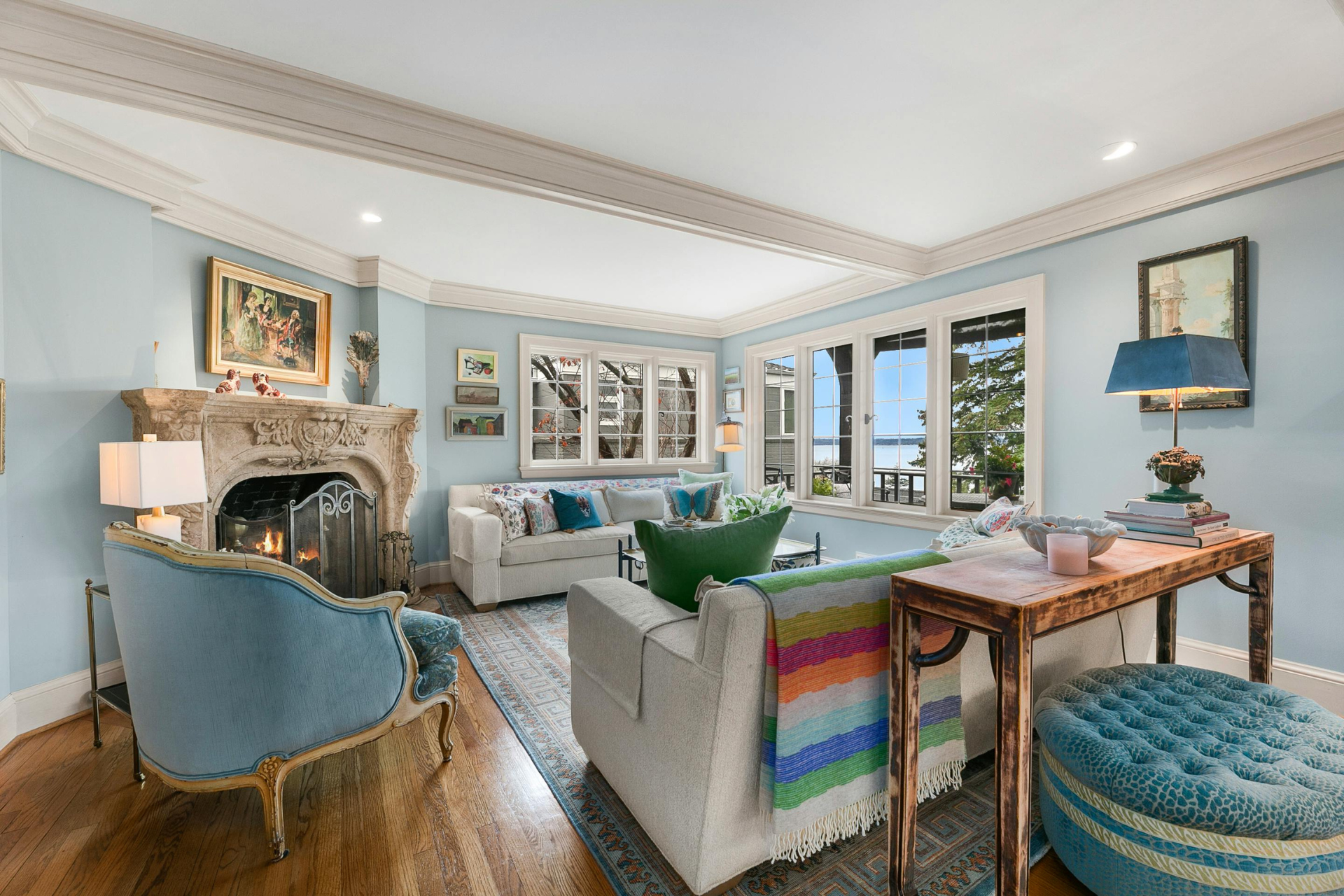
Living room with light blue walls, fireplace, and water view. Furnished with white sofas, a patterned rug, and a turquoise chair.

A Clear Shift Away From Stark Minimalism

Design experts agree: the era of ultra-white, bare-bones interiors is fading. According to Architectural Digest’s 2026 Interior Design Forecast, homeowners are craving spaces that feel layered, expressive, and human rather than pristine and impersonal .


In 2026, that means:


  • Warmer wood tones replacing cool, pale finishes

  • Textured walls, plaster accents, and natural stone details

  • Design choices that emphasize comfort and character over perfection

This trend is especially relevant for Triangle homeowners looking to soften newer construction and create a sense of warmth without full renovations.

Color Is Back, But With Intention

Color is returning in a big way, but not in loud or fleeting forms. Elle Decor and Homes & Gardens both highlight 2026 palettes that favor rich, grounded hues like olive green, clay, deep blues, and softened jewel tones .


Rather than repainting entire homes, designers recommend:


  • Accent walls in offices, dining rooms, or powder rooms

  • Moody cabinetry in kitchens or laundry spaces

  • Layered textiles and décor that introduce color gradually

These choices allow homeowners to personalize their space while keeping it timeless — a smart approach for families thinking about future resale.

Texture, Craftsmanship, and Natural Materials Take Center Stage

One of the strongest trends across multiple forecasts is a renewed appreciation for texture and craftsmanship. Publications like The Spruce and Better Homes & Gardens point to natural materials — wood, linen, stone, and hand-finished surfaces — as defining elements of 2026 interiors .


This reflects a broader desire for:


  • Homes that feel tactile and lived-in

  • Design elements that age well rather than wear out

  • Fewer mass-produced finishes and more intentional choices

For Wake Forest and North Raleigh homes, even small updates, like swapping hardware, upgrading light fixtures, or adding wood accents, can align a space with this trend.

Designing for Real Life, Not Just Looks

Another key theme across 2026 forecasts is functionality. Vogue and Real Simple emphasize that homes are being designed around real routines, like work, school, rest, and connection, rather than formal layouts that look good but don’t serve daily life .


Families are prioritizing:


  • Flexible rooms that can adapt as needs change

  • Cozy nooks for reading, relaxing, or quiet time

  • Outdoor living areas designed for year-round use

These features not only enhance quality of life but are increasingly attractive to buyers in the Triangle market.

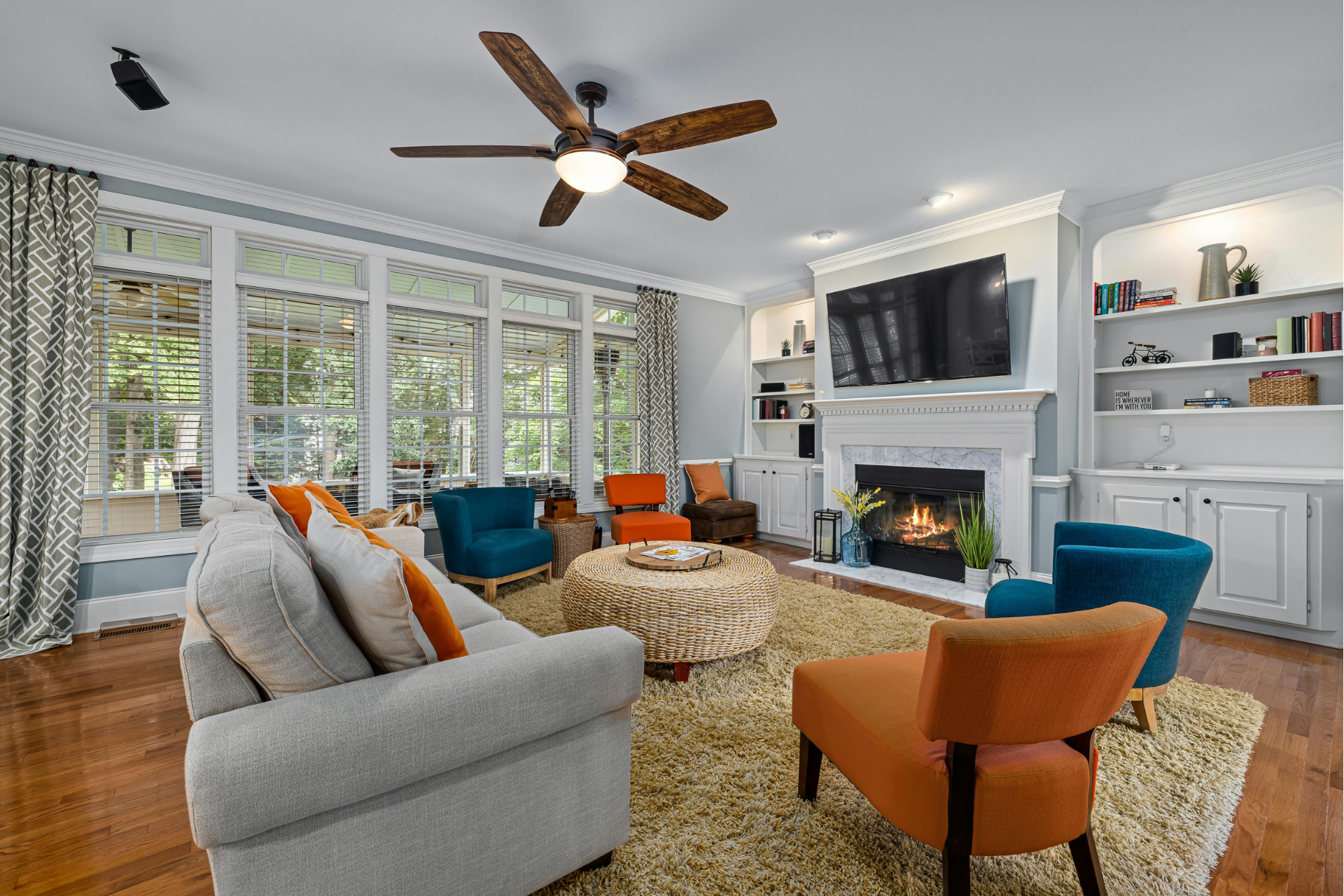
Living room with fireplace, windows, and colorful seating, including teal and orange chairs, plus a beige couch.

Blending Old and New for Character

Instead of matching furniture sets or overly coordinated rooms, 2026 design encourages mixing eras and styles. Designers are leaning into eclectic, collected-over-time interiors that feel authentic and personal, a trend echoed across Architectural Digest, Elle Decor, and Pinterest trend reports .


This approach includes:


  • Pairing modern layouts with vintage or handcrafted pieces

  • Displaying meaningful décor rather than purely decorative items

  • Creating homes that tell a story instead of following a formula

For sellers, this curated look often photographs beautifully and helps homes stand out online.

Style That Supports Long-Term Value

What makes these 2026 trends particularly appealing is their longevity. By focusing on warmth, quality materials, and livability, homeowners can make updates that remain relevant beyond a single season.


In markets like Wake Forest and North Raleigh, where buyers value both lifestyle and investment, thoughtful design choices can support both personal enjoyment and future resale appeal.

Whether you’re settling into a new home, preparing to sell, or simply refreshing your space, Allison & Andrea can help you think through how today’s design trends align with your long-term goals.

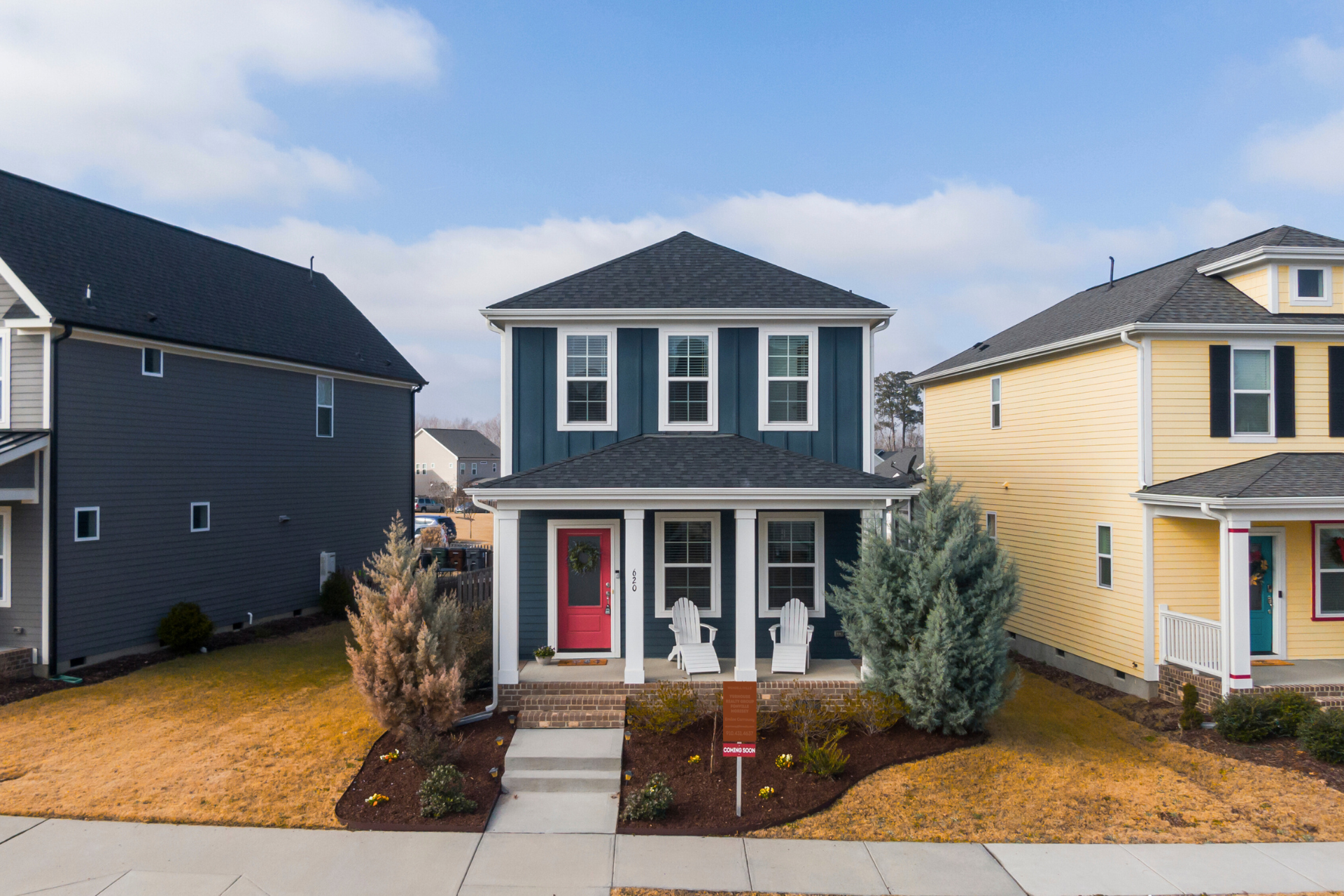
Two-story blue house with red door; flanked by a gray house on the left, and a yellow house on the right.
January 14, 2026
January offers motivated buyers, less competition, and strategic advantages for buying or selling a home in Wake Forest.
House with a gift box overflowing with balloons and the number
December 19, 2025
Discover what the 2026 housing market may hold for Wake County. Explore mortgage rates, price forecasts, inventory trends, and what buyers & sellers need to know.
Cartoon cityscape with colorful houses, roads, trees, and a sun.
December 12, 2025
Considering city vs. suburban living? See why Wake Forest and North Raleigh are popular alternatives to downtown Raleigh for today’s homebuyers.